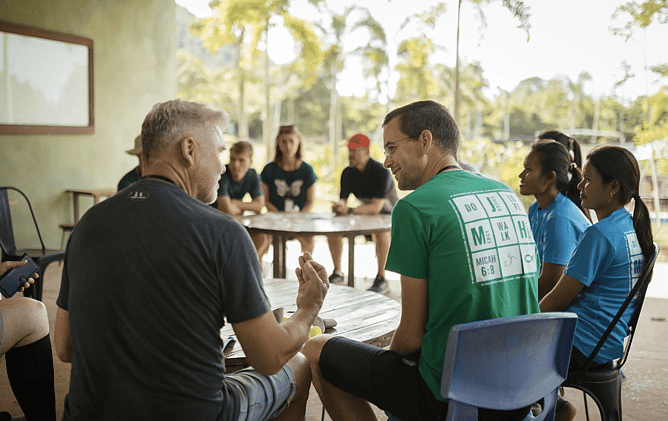
Short-term missions can be powerful; however, as people may know, they can also be complicated.
Craig and Nay Greenfield have spent 25 years hosting short-term teams while building Shalom Valley and working alongside Cambodian leaders. From Craig’s perspective, as someone on the receiving end of short-term mission teams, the difference between helpful and unhelpful short-term involvement rarely comes down to enthusiasm or good intentions from those being sent.
“It can be hit and miss, according to the individual or the group,” Craig reflects.
At Shalom Valley - a camp and retreat centre in Cambodia focused on creating meaningful spaces for children, youth, and families - this reality is lived out regularly, as teams come and go while the long-term work continues.
So, what makes the difference?
Healthy spaces for short-term teams
Craig believes camps provide one of the healthiest environments for short-term involvement.
A camp is a neutral, shared space. It is not someone’s home village or a vulnerable community setting. That distinction matters. When outside groups enter local neighbourhoods without understanding the dynamics, their presence can unintentionally create expectations or send confusing signals, the service they intend to provide and sometimes the gospel message itself, can become mixed up in the cultural confusion.
“A camp is a neutral third space,” Craig explains. “You’re not creating all kinds of unintended consequences in the community.”
In a camp setting, leadership is clear. Roles are defined. And in Craig and Nay’s mission context, the Cambodian leaders lead while outside visitors have the opportunity to support.
Sometimes short-term teams arrive unsure how they could possibly contribute. Craig reassures them quickly. “Don’t worry. The Cambodian leaders know how to run a camp.”
The question is not whether outsiders will lead. It is how they can serve within what already exists.
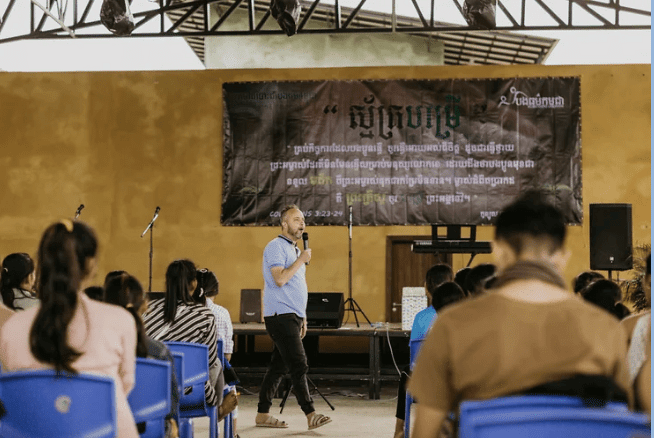
Learning before leading
Even when the visible impact on the ground seems small, Craig still sees deep value in a trip if those who come are prepared to be shaped by it.
For him, short-term missions are not only measured by outcomes delivered, but by transformation received.
The experience may not always produce dramatic or immediate results. But if it enlarges perspective, deepens humility, and reshapes how someone engages with God’s work in the world, that impact can be lasting.
To put it bluntly, “If you’re not here to learn, then please don’t come.”
Strengthening what already exists
Over the years, Craig has seen some incredibly helpful short-term engagement. One example stands out.
Six years ago, two interns from Finlay Park Camp in the Waikato came to Cambodia for three months. At the time, the person overseeing the building of Shalom Valley needed to step away unexpectedly. Those interns brought practical skills and experience and were able to step into a critical leadership gap.
“They basically helped oversee the building of Shalom Valley for three months,” Craig recalls.
Three months may seem like a short time in missions; however their contribution was strategic, humble, and responsive to an urgent need. That season helped shape what Shalom Valley has become today.
In recent years, more than 30,000 campers have come through the camp – Cambodia's first and only adventure campsite. International schools use the facilities. Local schools come. And Alongsiders is able to run camps for vulnerable and marginalised children, supported by income generated through other bookings.

Relational contribution
Camp ministry can be deeply relational. Craig tells stories of local staff who encountered Christian community simply by being present in that environment. A kitchen worker who lingered at the doorway during worship eventually came to faith. A bus driver who transported students to camp heard the camp message, was baptised in the pool, and drove home singing.
The long-term fruit has come through a consistent, relational presence. “As short-term teams come and be relational. Make friends. Come to learn and see what God wants to teach you.”
A pathway, not a moment
Craig believes short-term missions are most valuable when they are part of a larger journey. He prefers the term “Vision trips”, to reflect the more important goal of gaining a new vision for what God is doing, and wants to do.
People need new perspectives. They need to step outside their own context to see the global Church. “I actually really believe in short-term stuff,” he says. “Because we all need to get a new perspective. We need to get out of our context. And we need each other.”
Seen from the receiving end, the most helpful short-term teams are not defined by how much they do, but by how well they listen, adapt, and serve within what already exists. For churches sending teams, this perspective is invaluable. Preparation matters. Flexibility matters. Choosing people who are teachable matters. When both the sending church and the receiving community share a commitment to humility, partnership, and learning, short-term mission becomes more than a trip. It becomes a strengthening exchange that shapes everyone involved.
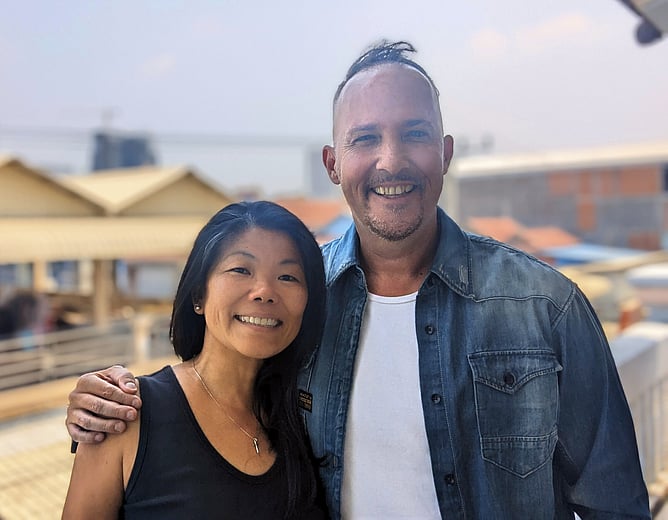
Craig and Nay Greenfield have served in Cambodia for over 25 years with Alongsiders International, working alongside local leaders and hosting teams through initiatives like Shalom Valley.
You can get in touch with Craig and Nay Greenfield here. And see more of their ministry at www.alongsiders.org and www.shalomvalley.org
You can also learn about GC3's other Mission partners right here.